
Each year, over 50,000 Americans are diagnosed with oral and oropharyngeal (throat) cancers. The American Cancer Society has stated that regular dental check-ups that include an entire mouth exam are important in early detection of oral and oropharyngeal cancers. At Titus Dentistry, patients in the Middletown, Muncie, Pendleton, Anderson, and surrounding IN communities can rely on us to perform thorough oral cancer screenings to help detect these cancers at their earliest stages, when they are most likely to respond to treatment.
Risk factors for oral cancer
While there are certain risk factors for developing oral cancer, it is important to understand that it can occur in anyone, and screening can help identify it at an earlier, more treatable stage. People who have the following risk factors are at a higher risk for developing oral cancer:
- Tobacco use
- Heavy alcohol consumption
- Excessive sun exposure
- Prior oral cancer diagnosis
- Older age – the average age that people are diagnosed is 62, but one-quarter of cases are in people under the age of 55
In addition, approximately twice as many men are diagnosed with oral cancer as women; it is the eighth most common cancer in men.
How an oral cancer screening is performed?
An oral cancer screening is used to detect signs of both cancerous and precancerous lesions in your mouth. To screen for mouth cancer, no special preparation is necessary, and we can perform the screening during your regular check-up.
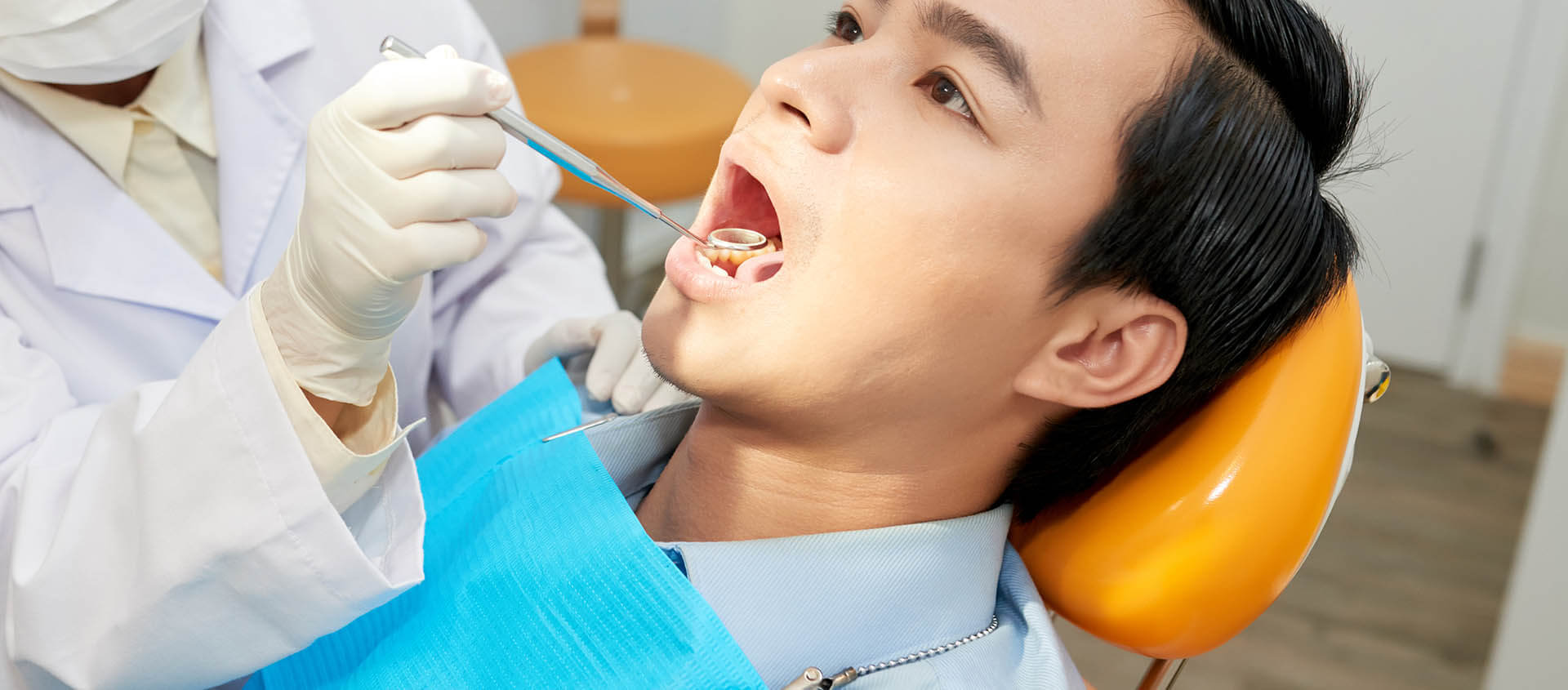
First, we perform a visual examination of your entire mouth to ensure that they all look normal and healthy. This includes checking the following areas:
- Lips
- The inner lining of the lips
- Teeth
- Gums
- Cheeks
- Floor of the mouth
- Roof of the mouth
- Cheeks
- Tongue
- Oropharynx (area behind the wisdom teeth)
During the screening, we look for any mouth sores, white or red patches, lumps, or other abnormalities, and we use gloved hands to feel for any areas that might not be visible to the eye but can be felt.
Early detection for better outcomes
The good news is that if we do find oral cancer at an early stage, the 5-year survival rate is high – nearly 85%. If we find any areas of concern, we will talk with you about the next best steps to determine whether a follow-up visit or biopsy is needed, or we may refer you to another oral health professional. To schedule your check-up and oral cancer screening, call Titus Dentistry at (765) 358-5868!
Why is early detection of oral cancer important?
Spotting cancerous cells early, even before symptoms show, can give individuals a better chance at a longer, healthier life. Oral cancer screenings initiated at the onset can not only prolong your life but also significantly reduce the risk of succumbing to oral cancer.
What happens during an oral cancer screening appointment?
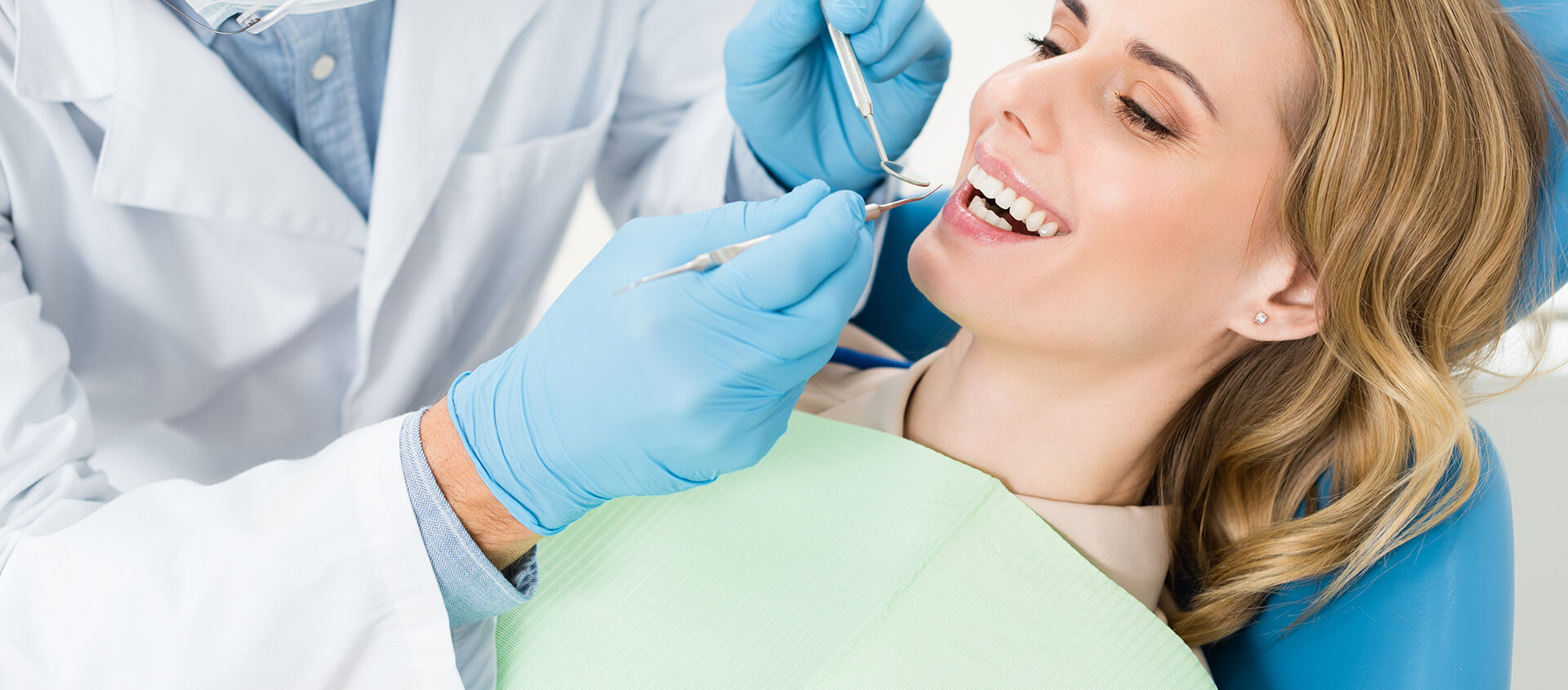
There are several parts to an oral cancer screening at Titus Dentistry. They include the visual examination and the physical examination. During the visual examination, Dr. Jonathan W. Titus will closely inspect your lips, gums, tongue, cheeks, and the roof and floor of your mouth for abnormal changes or growths. He then utilizes a specialized light to help detect potential lesions that are not easily visible to the naked eye.
The physical examination involves feeling around your neck, jaw, and oral cavity for lumps or other abnormalities. The dentist may also ask you to swallow while they feel your throat area for any unusual masses.
In addition to these two key components of an oral cancer screening, some dentists may also use advanced technology such as X-rays or special dyes to detect any areas of concern further.
What occurs after an oral cancer screening is conducted?
Regular oral cancer screenings are primarily precautionary rather than investigative. The positive part is that your dental professionals at Titus Dentistry might not even discover any evidence of cancer, making it easy for you to return yearly for more oral cancer screenings for a proactive approach.
If Dr. Jonathan W. Titus finds unusual cells during an oral cancer screening, he will likely recommend further testing to determine if there is a reason for concern. In almost all cases, early recognition is determined to be one of the most effective tools in beating oral cancer.
What treatment options are available if a diagnosis of oral cancer is made?
If oral cancer is detected, treatment options depend more specifically on the stage and severity of the tumor. Some common treatments for oral cancer include surgery to remove the affected area, chemotherapy to kill the cancerous cells, and radiation therapy to shrink tumors. Alternative treatments, such as immunotherapy and targeted drug therapies, have also shown promise in treating oral cancer.
Can I prevent oral cancer?
While there is no foolproof way to prevent oral cancer, there are several steps that you can take to reduce your risk. These include:
- Avoiding tobacco products
- Limiting alcohol consumption
- Eating a healthy diet
- Practicing good oral hygiene
- Having routine oral cancer screenings
Who can I call in Middletown, Indiana, to discuss scheduling an oral cancer screening?
Jonathan W. Titus and his team at Titus Dentistry believe in providing thorough evaluations for new and established patients at his clinic in Middletown, Indiana. Call (765) 358-5868 to request a consultation appointment at 705 Norfleet Drive West and schedule your upcoming oral cancer screening with our dedicated and experienced staff.
How much does an oral cancer screening typically cost?
The cost of an oral cancer screening can vary depending on whether it is performed as part of a routine dental exam or scheduled as a separate service. In many cases, screenings are included during regular preventive visits, which helps keep costs manageable for patients. Additional screening tools or evaluations may affect overall pricing based on individual needs. Oral cancer screenings are considered a preventive measure, as early detection can significantly reduce the need for more extensive treatment later. At Titus Dentistry, patients are informed in advance about what is included in their visit and any associated costs. This transparency allows patients to prioritize preventive care with confidence and peace of mind.
Is oral cancer screening covered by dental insurance?
Many dental insurance plans include oral cancer screening as part of routine preventive care, particularly when it is performed during a comprehensive exam. Coverage details can vary depending on the plan, including how often screenings are allowed and whether additional diagnostic tools are included. The team at Titus Dentistry assists patients by reviewing insurance benefits and explaining how coverage applies to oral cancer screenings. For patients without insurance or with limited benefits, the practice can discuss alternative options to help keep preventive care accessible. Addressing insurance questions early helps patients feel informed and encourages them to stay consistent with screenings that support long-term oral and overall health.
What are the benefits of routine oral cancer screenings?
Routine oral cancer screenings provide important benefits by helping identify abnormal changes in the mouth at an early stage, often before symptoms are noticeable. Early detection can lead to faster referrals, more treatment options, and improved outcomes. Screenings also give patients peace of mind by confirming that their oral tissues appear healthy. Even patients who do not consider themselves high risk can benefit, as oral cancer can develop without obvious warning signs. Regular screenings support a proactive approach to health and reinforce the importance of preventive dental care. Over time, consistent monitoring helps dental professionals track changes and recommend timely next steps when necessary.
How often should adults receive an oral cancer screening?
Oral cancer screenings are typically recommended on a regular basis, especially as part of ongoing preventive dental care. For many adults, screenings are performed during routine dental exams, allowing dental professionals to monitor oral tissues consistently over time. The appropriate frequency can depend on age, medical history, lifestyle factors, and overall oral health. Even patients who do not consider themselves high risk may benefit from regular screenings, as changes in oral tissues can occur without noticeable symptoms. Ongoing screening helps establish a baseline, making it easier to detect subtle changes early. Incorporating oral cancer screening into routine dental visits supports a proactive approach to health and allows concerns to be addressed promptly if anything unusual is observed.