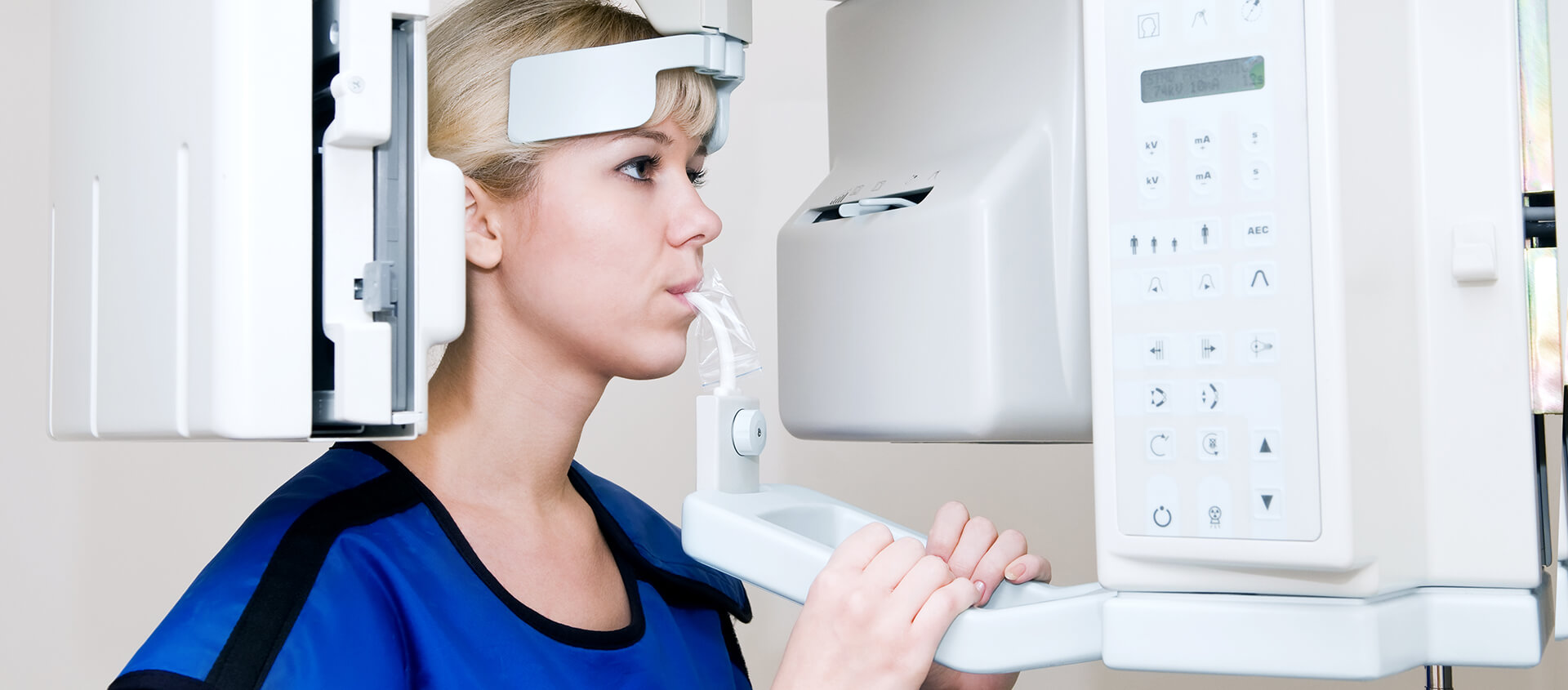
X-rays have been a mainstay in dental practices for decades, and for good reason – they are an important tool for dentists to diagnose and treat a wide range of conditions that can negatively impact your oral health. At Titus Dentistry in Middletown, IN, we have invested in the latest digital dental x-ray technology to increase the quality of care we are able to provide.
Why are x-rays necessary?
Many people have heard the phrase “the tip of the iceberg,” which refers to the fact that only a small portion of an iceberg is visible above the water, with the bulk of it submerged underwater. Your teeth are similar! A dentist can only see the outer portions of your teeth and gums, but there are several important underlying structures, including the inner contents of the teeth, their roots, and jawbone, that cannot be seen without x-rays or other imaging technologies. Dental x-rays are used to detect, diagnose, and treat issues such as:
- Cavities
- Abscesses
- Decay or other issues due to gum disease
- Cysts
- Growths such as non-cancerous or cancerous tumors
- Bone loss
- Issues with tooth or bone development
If you are in active pain, we may recommend taking a tooth x-ray to determine the cause, and as part of our preventive care measures, we take full-mouth x-rays on a regular schedule to help detect problems at the earliest stage possible to save you time, money, and discomfort.
Benefits of digital x-rays
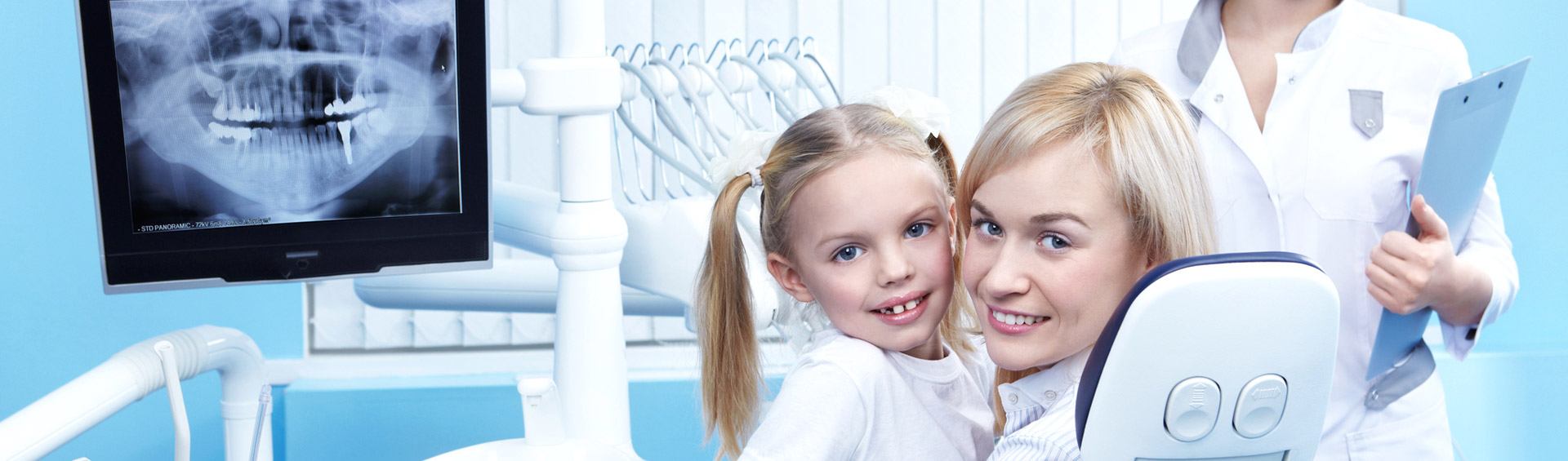
Digital dental x-rays have many benefits over traditional film x-rays. They reduce the amount of radiation that you are exposed to by up to 90 percent and provide instant results without the need for harmful waste or chemicals. In addition, the results are available digitally on the computer and the images are more precise and we can zoom in on specific areas of concern, enabling us to provide more accurate diagnoses. We can pull up your x-rays right next to the dental chair to show you what is occurring in your mouth and explain your options in-depth. In addition, patients find digital x-rays more comfortable.
To schedule your check-up or ask us your questions about digital dental x-rays, call Titus Dentistry today at (765) 358-5868!
Are digital dental X-rays safe?
Absolutely! Current digital X-rays are extremely safe, releasing far less radiation than the film X-rays we used to use. However, spending a day out in the sun may expose you to more radiation!
These X-rays are not only safer, but they also play a vital role in securing your oral health. They allow your trusted providers at Titus Dentistry to spot potential issues the naked eye might overlook.
Jonathan W. Titus recommends that bite-wing X-rays be performed annually. These X-rays establish a reference point for your dental health and aid in detecting prevalent problems like tooth decay at an early stage. Prompt detection of tooth decay or gum diseases allows our experienced team to implement less invasive and more cost-effective treatment strategies.
Do I need to have dental X-rays done?
Dental X-rays are determined to be a vital diagnostic tool used to find a variety of oral health concerns that may impact your smile, including:
- Tooth decay
- Gum and bone health
- Nerve issues
- Early detection of problems
How does the team at Titus Dentistry minimize my radiation exposure?
Our team utilizes digital dental X-rays to ensure your health and safety when using these diagnostic tools. We only recommend them when they are appropriate or necessary.
How much radiation is in a dental x-ray?
Digital dental X-rays provide far less radiation than traditional film X-rays, anywhere between 50-80% less. Other procedures, such as chest X-rays and mammograms, can be the equivalent of hundreds of digital dental X-rays!
What types of dental X-rays are taken at Titus Dentistry?
Your dentist can use various dental X-rays to comprehensively evaluate your oral health. These distinct X-rays target concerns such as interdental cavities, tooth roots, jaws, and sinuses.
- Bite-wing x-rays. These X-rays are used to detect cavities between your teeth or where they meet.
- Periapical x-rays. They are used to visualize the full root details of a single tooth.
- Panoramic x-rays. These X-rays enable a full view of the lower third of your face, facilitating an assessment of all teeth, jaws, and sinuses.
- CBCT x-rays. They offer a range of applications, from panoramic X-rays and 3-D X-rays to extra oral bite-wing X-rays.
Who can I contact near Middletown, Indiana, to request more information about safe and reliable dental x-rays?
Jonathan W. Titus of Titus Dentistry is committed to helping new and established patients with oral health and wellness concerns. He provides the latest in diagnostic tools to ensure safety and effectiveness. If you live in Middletown, Indiana, and want to work with our team, call (765) 358-5868 to request an upcoming appointment at 705 Norfleet Drive West.
How much do digital dental X-rays typically cost?
The cost of digital dental X-rays can vary depending on the type of images needed and whether they are taken during a routine exam or to evaluate a specific concern. In many cases, X-rays are included as part of preventive visits, which helps keep costs predictable for patients. More detailed imaging may be recommended based on oral health history, symptoms, or treatment planning needs. Digital X-rays provide highly detailed images quickly, reducing the likelihood of repeat imaging and supporting accurate diagnosis. At Titus Dentistry, patients are informed in advance about which images are recommended and any related costs. This transparency helps patients understand how digital X-rays support both preventive care and long-term oral health planning.
Are insurance plans able to cover digital dental X-rays?
Many dental insurance plans provide coverage for digital dental X-rays, particularly when they are considered part of routine preventive or diagnostic care. Coverage often depends on how frequently certain images are allowed and whether they are classified as bitewing, panoramic, or full-mouth series. Some plans place time limits on how often specific X-rays can be taken. The team at Titus Dentistry assists patients by reviewing insurance benefits and explaining how coverage applies to recommended imaging. For patients without insurance or with limited benefits, alternative options may be discussed. Understanding insurance details before imaging helps patients feel confident and informed about their care.
What role do digital X-rays play in preventive dental care?
Digital X-rays are an essential tool in preventive dentistry because they allow dental professionals to detect issues that may not be visible during a standard visual exam. These images help identify decay between teeth, bone changes, early signs of infection, and problems beneath existing restorations. By detecting concerns early, digital X-rays support timely treatment and help prevent minor issues from becoming more complex. They also provide a valuable record that allows dental teams to monitor changes in oral health over time. Incorporating digital X-rays into preventive care enables more accurate treatment planning and supports a proactive approach to maintaining long-term oral health.
How do digital X-rays support accurate treatment planning?
Digital X-rays play a key role in creating precise and effective treatment plans. Clear imaging allows dental professionals to evaluate tooth structure, bone levels, and existing restorations in detail before recommending care. This information helps determine the most appropriate treatment options and reduces uncertainty during planning. Digital images can also be reviewed chairside, making it easier to explain findings and recommendations to patients. Having detailed images available supports informed decision-making and helps ensure treatments are tailored to individual needs. Over time, stored digital X-rays allow providers to compare changes and adjust care plans as oral health evolves, supporting continuity and consistency in dental care.