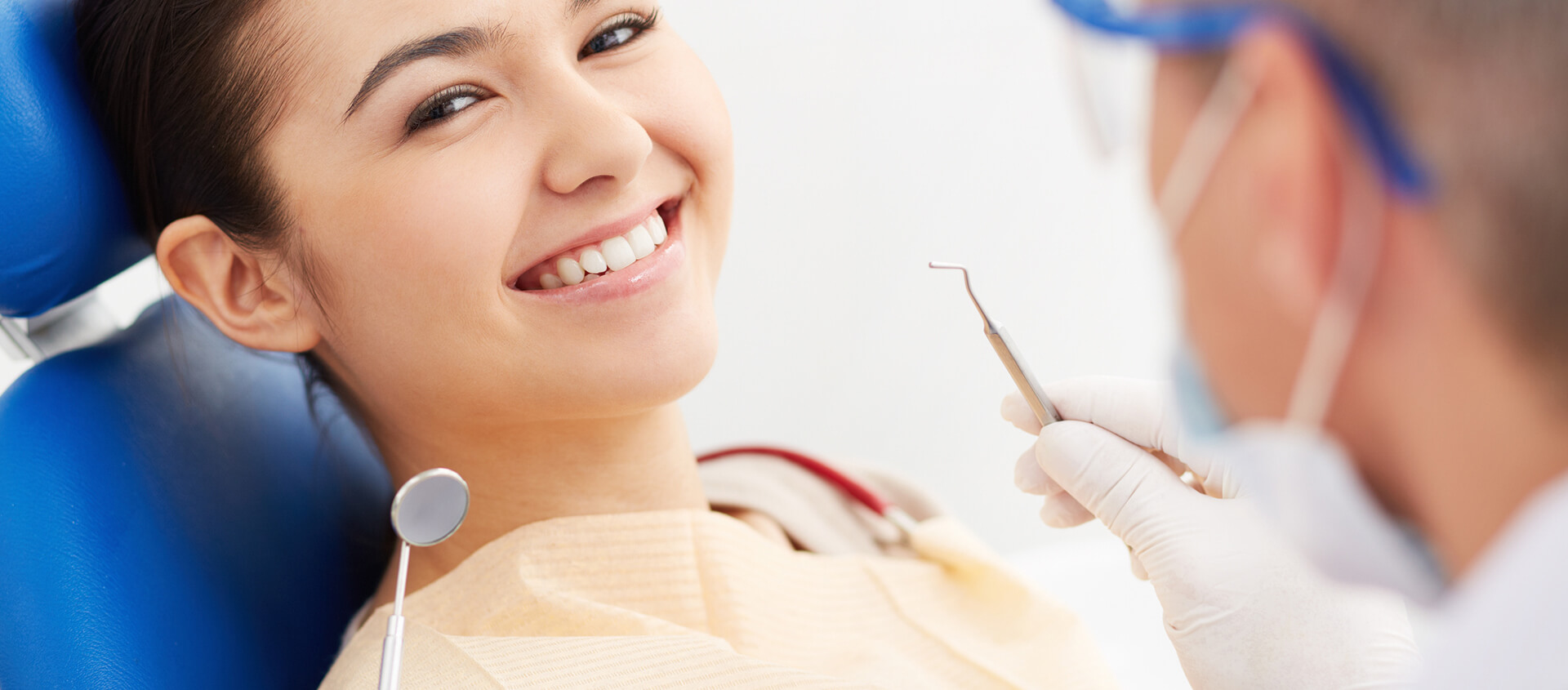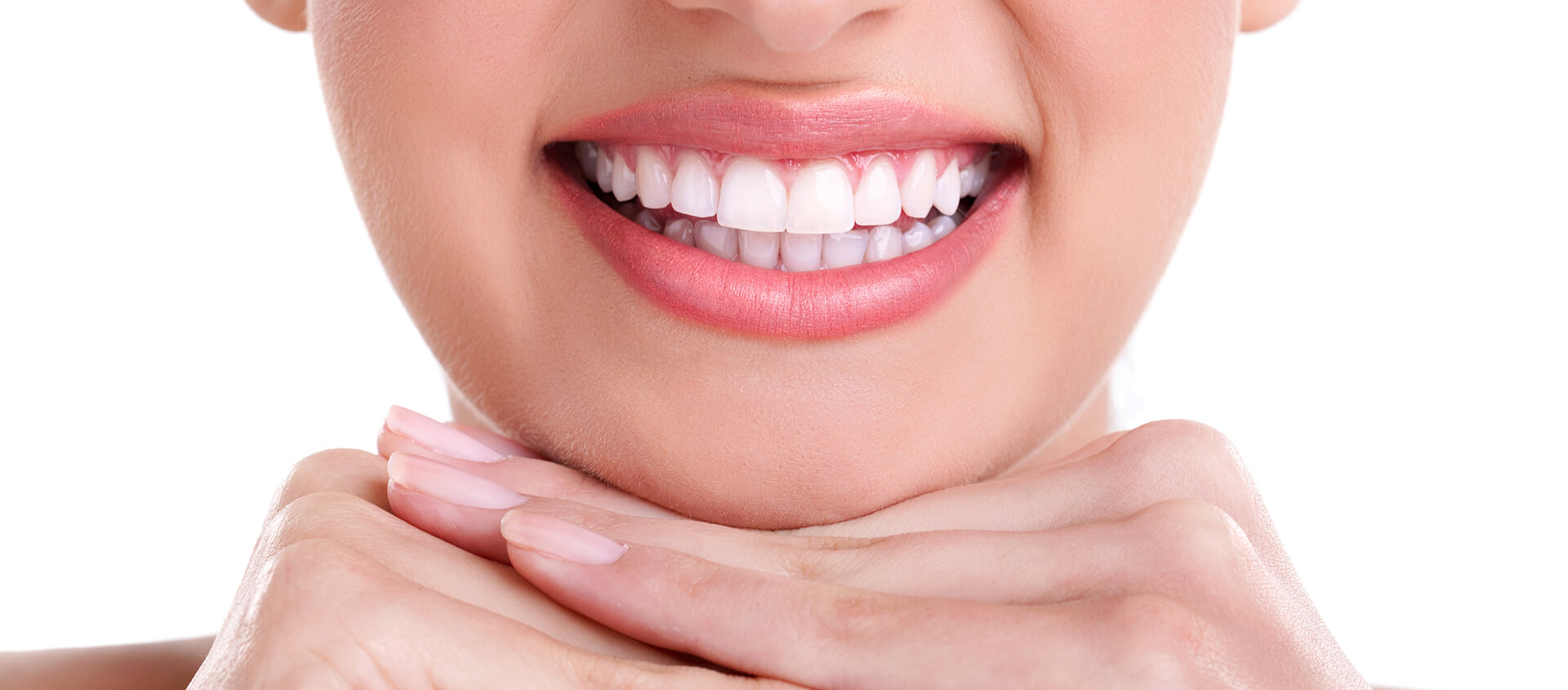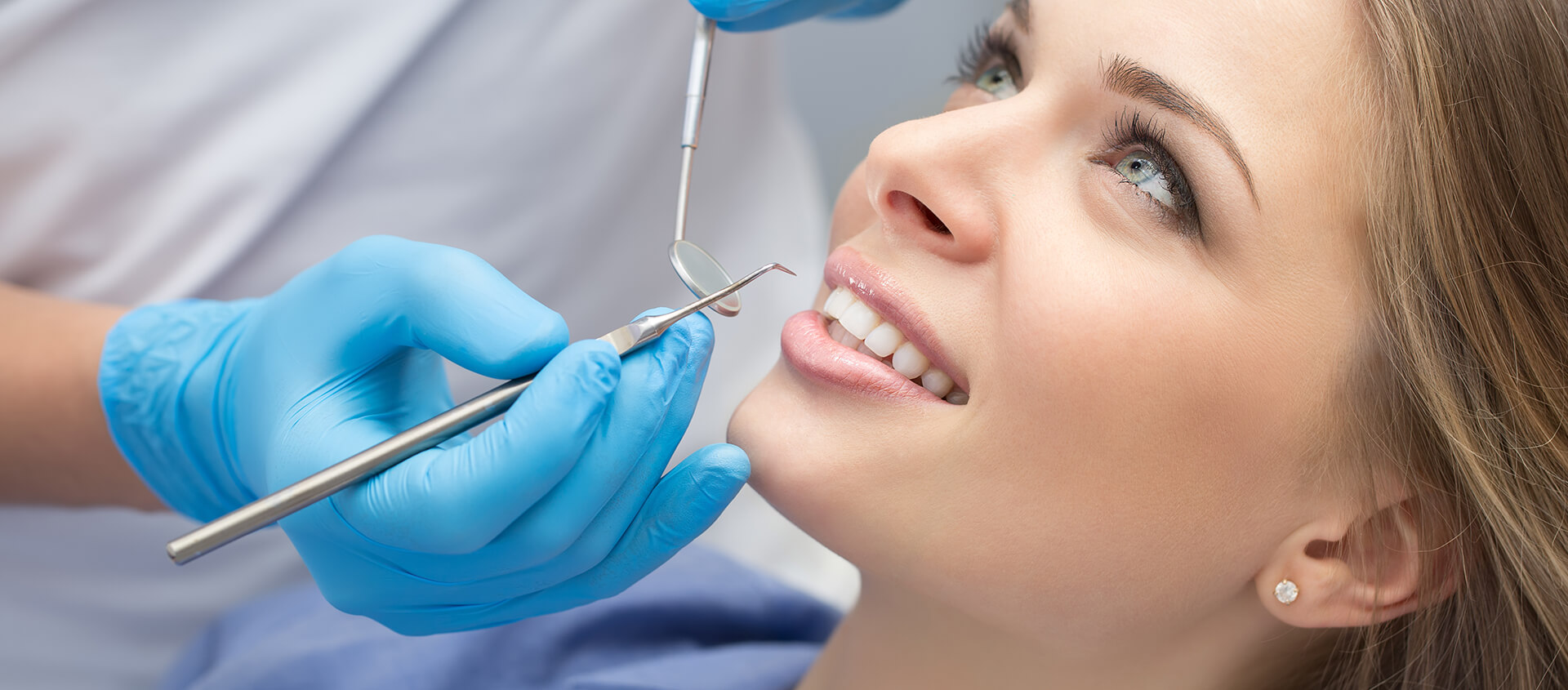

No matter how well you take care of your teeth, sometimes life happens and issues such as chips, breaks, or other accidents can occur that affect the appearance of your teeth. In other cases, patients have aesthetic issues such as gaps or misshapen teeth that they’d like to fix. For patients in the Middletown, IN area, cosmetic bonding at Titus Dentistry is a great choice for all of these issues, allowing you to affordably restore your teeth and enhance the appearance of your smile.
What is cosmetic bonding?
Most people are familiar with tooth-colored fillings; with cosmetic dental bonding, Dr. Titus uses this same material used in fillings–a white composite resin that can be shaded to match your existing teeth–to modify the shape, size, or length of your teeth.
Dental bonding is an extremely versatile and customizable procedure. Patients choose dental bonding for gaps between teeth, chips or small cracks in their teeth, adjusting the shape or size of teeth that look different from others, and even to hide stubborn stains and discolorations. Cosmetic bonding for front teeth can dramatically transform your smile—all within just a few hours in a comfortable chairside treatment. That means no need for uncomfortable dental impressions or waiting for weeks for a laboratory to fabricate your custom restorations. Dental bonding is:
- Safe – there is usually no need to alter the structure of your teeth
- Affordable – it is one of the most budget-friendly ways to modify the appearance of your teeth
- Painless – it is so comfortable that there is no need for numbing
- Convenient – in most cases, you can come in for one appointment and leave with your beautiful, transformed smile
What to expect?
The first step in any cosmetic procedure at Titus Dental is for Dr. Titus to perform an in-depth evaluation and consultation to examine your current teeth and gums and talk with you about your desired end results. Based on your individual oral health and preferences, Dr. Titus will recommend one or more ways for you to reach those goals. If dental bonding is the right choice for you, the procedure starts by applying a small amount of conditioning gel to the teeth that will be treated. This slightly roughens the tooth surface so that the composite resin will better adhere to it. Then, Dr. Titus shapes the composite resin onto your tooth into an aesthetically pleasing shape and cures it with a special ultraviolet light. Finally, we polish it for a natural sheen that matches the rest of your teeth.
To learn more about cosmetic dental bonding and how it can help you enhance your smile, call Titus Dentistry in Middletown, IN today! Our office can be reached at (765) 358-5868.
Frequently asked questions about cosmetic bonding
What is cosmetic bonding?
Dr. Jonathan Titus of Titus Dentistry describes cosmetic dental bonding as a dental procedure that uses tooth-colored composite resin material to correct imperfections in teeth. It can repair chips, cracks, gaps, discoloration, and even reshape teeth.
What are the benefits of cosmetic bonding?
There are a few common advantages to using cosmetic dental bonding to restore the appearance of your smile and boost self-confidence:
- Cosmetic bonding is a relatively painless procedure.
- The immediate results mean you can leave our Middletown, Indiana, office with a new and improved smile!
- It is cost-effective when compared to other cosmetic dental procedures such as veneers or crowns.
- Bonding does not require much alteration of the natural tooth structure, ensuring a conservative choice to maintain the smile’s overall health and functionality.
- The materials used in bonding are safe and non-toxic.
Who is a good candidate for cosmetic bonding?
When Dr. Titus assesses a patient for cosmetic bonding, he looks for the following qualities:
- Good oral health. Before cosmetic bonding, patients should not have any underlying dental issues, such as tooth decay (cavities) or gum disease.
- Adequate tooth enamel. The tooth needs enough natural enamel to bond with the composite resin material.
- Realistic expectations. While cosmetic bonding can greatly improve the appearance of teeth, it may not be suitable for more severe cases that require other procedures, such as veneers or crowns.
How long does cosmetic bonding last?
The longevity of a patient’s cosmetic dental bonding restoration depends on several factors, including the skill of the dentist, proper oral hygiene practices, and habits such as grinding or clenching teeth. On average, it can last three to ten years. With appropriate and routine care and maintenance, it can last even longer.
Can cosmetic bonding stain?
Yes, cosmetic dental bonding material naturally stains over time, especially if exposed to certain foods and drinks such as coffees, teas, and red wines. We encourage all of our patients to practice good oral hygiene and avoid consuming any staining foods and beverages in excess to maintain the appearance of their bonded teeth.
Is there any special aftercare required for cosmetic bonding?
Patients should be cautious and mindful when biting into hard or sticky foods that might damage the bonded tooth. Additionally, it is recommended that patients visit Dr. Titus and his team regularly for routine cleanings and check-ups to ensure oral health and wellness over time. If dental bonding needs to be replaced, it can be removed and replaced easily during a regular dental visit at our office.
How much does cosmetic bonding cost? What factors determine the final price?
The cost of cosmetic bonding differs based on how many teeth are being treated, the extent of the cosmetic concern, and the amount of composite material required to rebuild or reshape each tooth. Minor chips are generally less costly than bonding that involves reshaping a tooth or treating multiple teeth for uniformity. While cosmetic bonding is typically more affordable than veneers or crowns, its longevity depends on proper care. Payment options may be available to help make treatment flexible and accessible. Many patients appreciate bonding’s budget-friendly nature and the dramatic cosmetic improvements it can achieve quickly.
Does insurance cover cosmetic bonding, or is it considered an elective treatment?
Insurance coverage for cosmetic bonding depends on whether the procedure is being performed for structural reasons or strictly for aesthetic enhancement. When bonding is used to repair a chipped tooth, restore lost tooth structure, or protect exposed areas, some plans may cover a portion of the cost. However, if bonding is used solely to improve appearance, such as closing small gaps or reshaping uneven teeth, coverage is less common. Even if insurance does not contribute, cosmetic bonding remains one of the most cost-effective cosmetic dental options. Flexible payment arrangements may also be available to support patient comfort and affordability.
How can I find a cosmetic bonding dentist near Middletown, IN? What makes Titus Dentistry a trusted option?
When searching for a cosmetic bonding provider near Middletown, IN, it’s important to choose a dentist with strong aesthetic skills and experience working with composite materials. Cosmetic bonding relies heavily on the clinician’s ability to sculpt, layer, and polish resin so it mimics natural enamel. Titus Dentistry is known for its attention to detail, shade precision, and chairside artistry, ensuring that bonded areas blend seamlessly into the overall smile.
What limitations should I be aware of before choosing cosmetic bonding? How durable is the material?
While cosmetic bonding offers excellent versatility and affordability, it does have certain limitations patients should consider before treatment. Composite resin is strong, but it is not as fracture-resistant or stain-resistant as porcelain restorations. Patients who grind their teeth, chew hard objects, or frequently consume staining foods may require more frequent touch-ups. During your consultation at Titus Dentistry, Dr. Titus evaluates your bite, enamel condition, and long-term goals to determine whether bonding is the best fit. For many patients, bonding lasts several years when cared for properly and offers a quick, minimally invasive way to improve the smile’s appearance. Understanding the material’s strengths and limitations helps ensure realistic expectations and long-lasting satisfaction with your results.